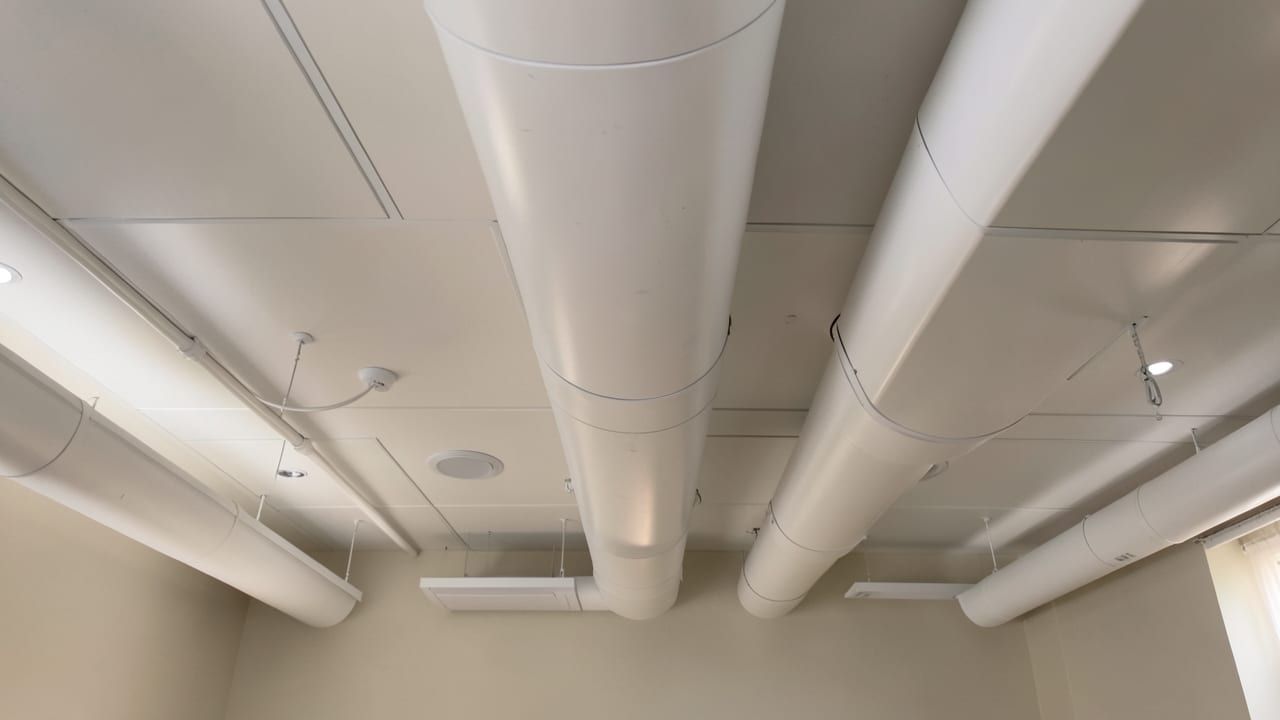
Medical Clinic Duct Cleaning
Professional cleaning of HVAC ducts in medical clinics to improve air quality and system efficiency.
Medical clinic duct cleaning in Morristown, NJ, focuses on removing dust, debris, and contaminants from HVAC systems to maintain clean airflow in healthcare settings. This process is critical for reducing airborne particles that can affect air quality and patient health, ensuring a safer environment for medical facilities and surrounding homes.
Why medical clinic duct cleaning matters in Morristown
In medical facilities, air quality is a top priority. Dust, allergens, and biological contaminants can accumulate in ductwork over time, posing risks to occupants. Regular duct cleaning helps mitigate these issues by removing built-up debris and improving airflow efficiency.
We also handle Air Filter Replacement and Kitchen Exhaust Hood Cleaning for Morristown properties.
For homes near medical clinics, this service can also address shared environmental concerns, such as airborne particles drifting from nearby facilities.
Poor duct hygiene can lead to visible dust buildup, stale odors, or even respiratory irritation. Medical-grade duct cleaning targets these problems with specialized equipment and techniques, ensuring a thorough and hygienic process.
This is especially important in areas like Morristown, where air quality can be influenced by both residential and medical environments.
Signs Your Ducts Need Cleaning
- A visible puff of dust when the HVAC system first turns on, especially near supply vents.
- Dust resettling on furniture within a day or two of cleaning, often worse near vents.
- A musty or stale smell that fades once the system shuts off, indicating buildup inside ducts.
- A room collecting dust faster than others, suggesting active dust delivery through the vent.
- A fine gray film or buildup reappearing quickly on register grilles after cleaning.
How duct cleaning affects air quality and maintenance
The frequency of duct cleaning depends on factors like household activity, pets, and local air quality. While industry guidelines vary widely—from once a year to once every five years—the real answer depends on how quickly dust and debris re-enter the system.
Regular filter changes (every 1–3 months) and sealing duct gaps can significantly extend the time between cleanings.
For homes near medical clinics, external factors like airborne particles from nearby facilities may require more frequent attention. However, proactive steps—such as vacuuming registers, grooming pets, and sealing duct connections—can reduce how often deep cleaning is needed.
What to expect during a duct cleaning service
A professional duct cleaning service in Morristown begins with a thorough inspection to identify problem areas. This step ensures that only necessary sections are cleaned, avoiding unnecessary disruption. Once identified, registers and vents are sealed to contain dust during the process, preventing it from spreading into living spaces.
The actual cleaning involves mechanical agitation—such as rotary brushes or compressed air—to loosen built-up debris, followed by HEPA vacuum extraction to remove it from the system. This method ensures fine particles are captured on-site rather than recirculated.
| Step | Purpose |
|---|---|
| System Inspection | Identifies concentrated dust, debris, or biological growth in ducts. |
| Register Sealing | Prevents dust from escaping into rooms during cleaning. |
| Mechanical Agitation | Knocks loose compacted dust from duct walls. |
| HEPA Vacuum Extraction | Captures dislodged debris on-site for safe disposal. |
| Airflow Verification | Confirms improved circulation post-cleaning. |
How medical clinic duct cleaning works
A thorough duct cleaning follows a structured process to ensure safety and effectiveness.
- 1System Inspection
A camera or mirror inspection identifies problem areas in supply and return ducts, ensuring targeted cleaning.
- 2Register and Vent Sealing
Non-working registers are sealed, and a negative-pressure unit is connected to contain dislodged dust.
- 3Mechanical Agitation
Rotary brushes or compressed air loosen compacted dust from duct walls for removal.
- 4HEPA Vacuum Extraction
Dislodged debris is captured in a HEPA-filtered collection system to prevent re-entry into the home.
- 5Airflow Verification
Post-cleaning airflow checks confirm improved circulation and system efficiency.
Frequently asked questions
How do I know if my ducts need cleaning?
Look for signs like visible dust near vents, a musty smell when the HVAC runs, or dust resettling quickly after cleaning. These often indicate buildup inside the ducts.
Can duct cleaning help with allergies or respiratory issues?
Cleaning removes dust, allergens, and contaminants from ducts, which may improve indoor air quality and reduce symptoms for sensitive individuals.
How often should I have my ducts cleaned?
There’s no one-size-fits-all answer—it depends on factors like pets, local air quality, and filter changes. Some homes benefit from annual cleaning, while others may need it less frequently.
Will duct cleaning help with odors in my home?
If odors are coming from the ducts, cleaning can remove the source of the smell. However, persistent odors may require additional steps, such as addressing moisture or microbial growth.
Where Morristown sits, and what the Census lists nearby
Morristown sits in New Jersey, and the closest places listed in the U.S. Census Gazetteer are Cedar Knolls (1.9 miles northeast), Morris Plains (2.9 miles north), Whippany (3.6 miles northeast), New Vernon (4 miles south).
Within 25 miles of Morristown the same source lists 236 distinct incorporated places and census-designated places.
Those figures matter for medical clinic duct cleaning because they are straight-line distances between Census coordinate points: road mileage between Morristown and Cedar Knolls runs longer than the 1.9 miles shown, which is why quotes for the same job differ between towns that look close together on a map.
Source: U.S. Census Bureau Gazetteer.
See Rainbow Lakes, NJ for more, or check out everything Morristown homeowners can book with us from start to finish for our complete lineup.
Ready to get started?
Talk to a local air duct cleaning pro in Morristown — get a written quote.
Other Air Duct Cleaning Services in Morristown
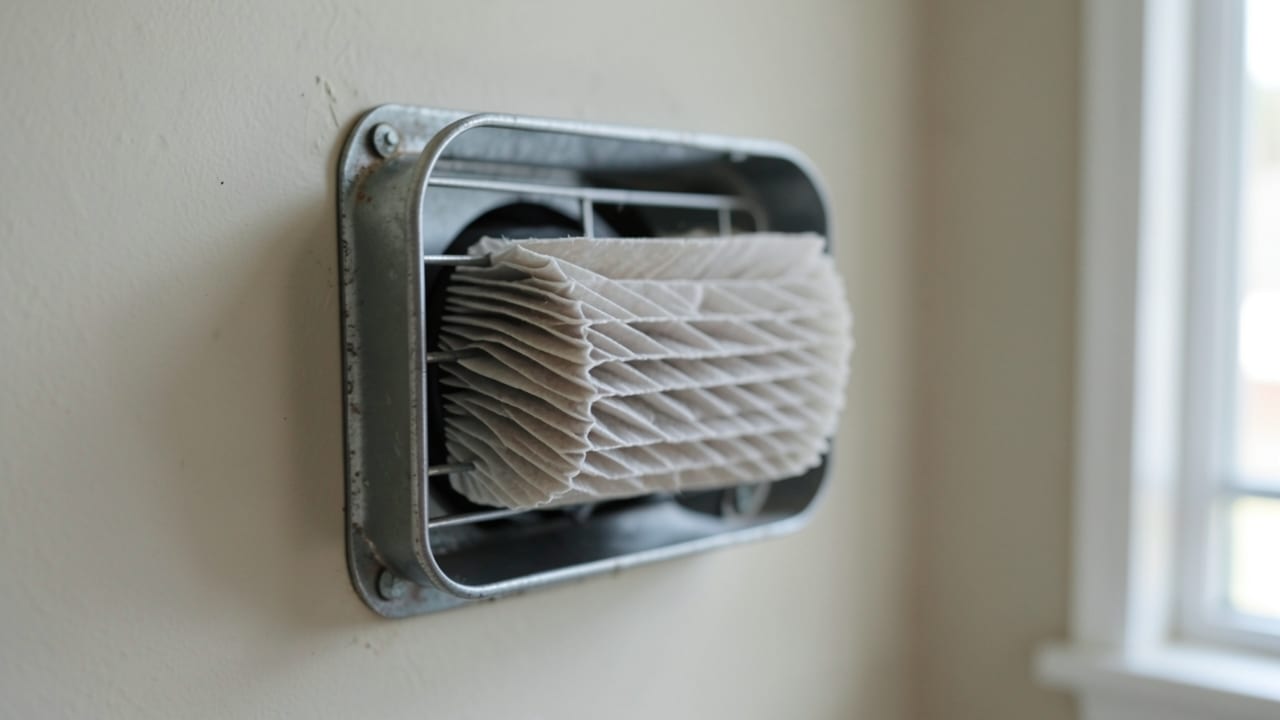
Air Filter Replacement in Morristown, NJ
Air filter replacement and MERV-rating guidance in Morristown, NJ, matched to household needs and system airflow limits.
Learn More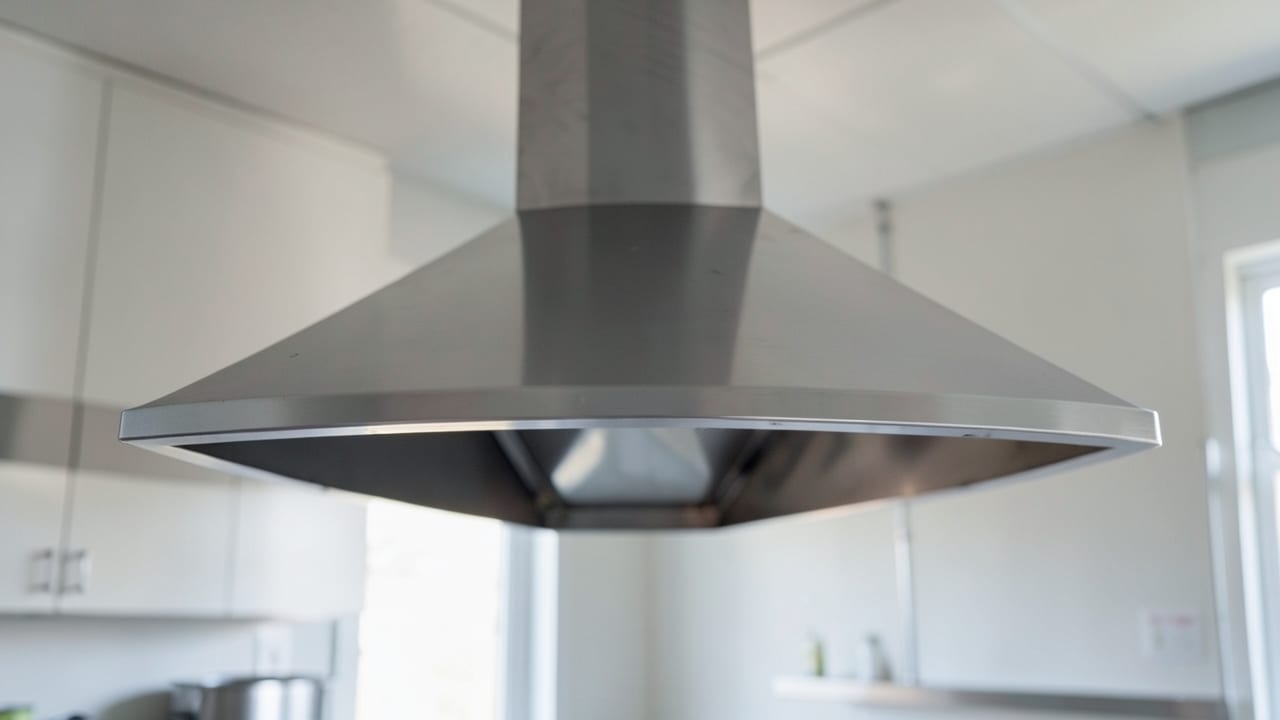
Kitchen Exhaust Hood Cleaning in Morristown, NJ
Commercial and residential kitchen exhaust hood cleaning in Morristown, NJ — removes grease buildup from hoods, filters, and ductwork.
Learn More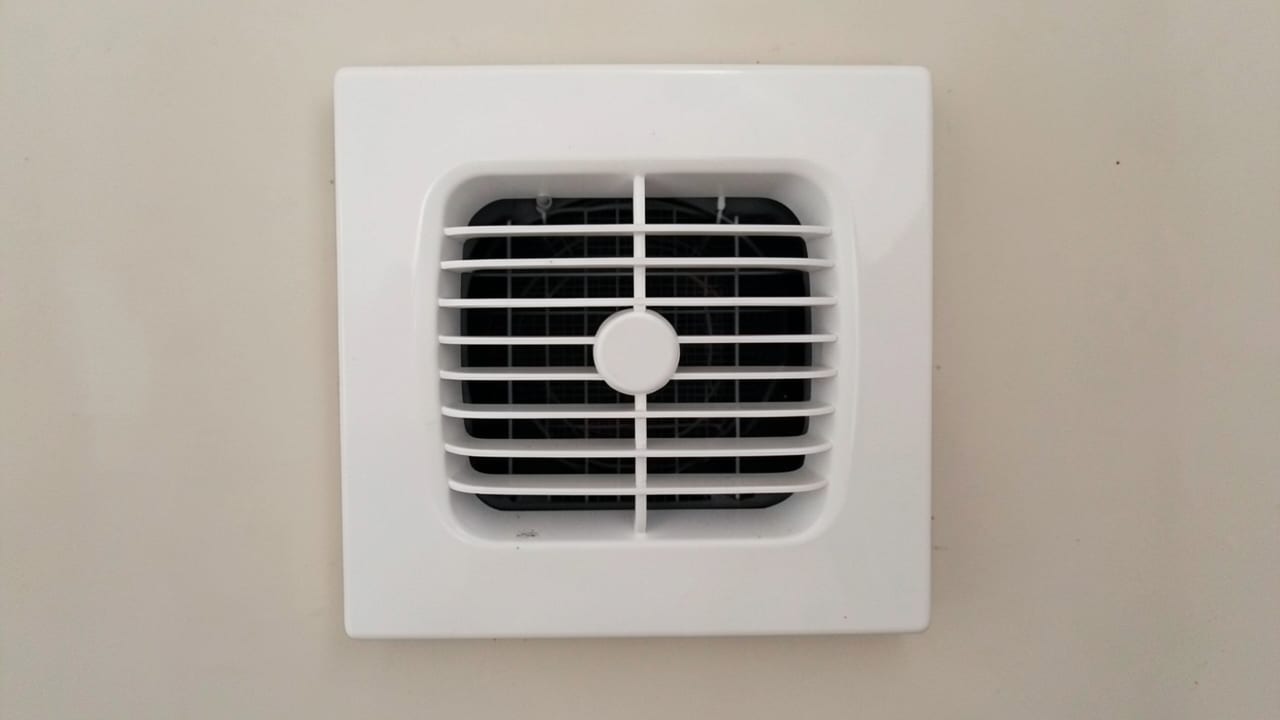
Bathroom Exhaust Fan Cleaning in Morristown, NJ
Bathroom exhaust fan cleaning in Morristown, NJ clears dust and lint from the fan housing and vent run, restoring proper airflow.
Learn More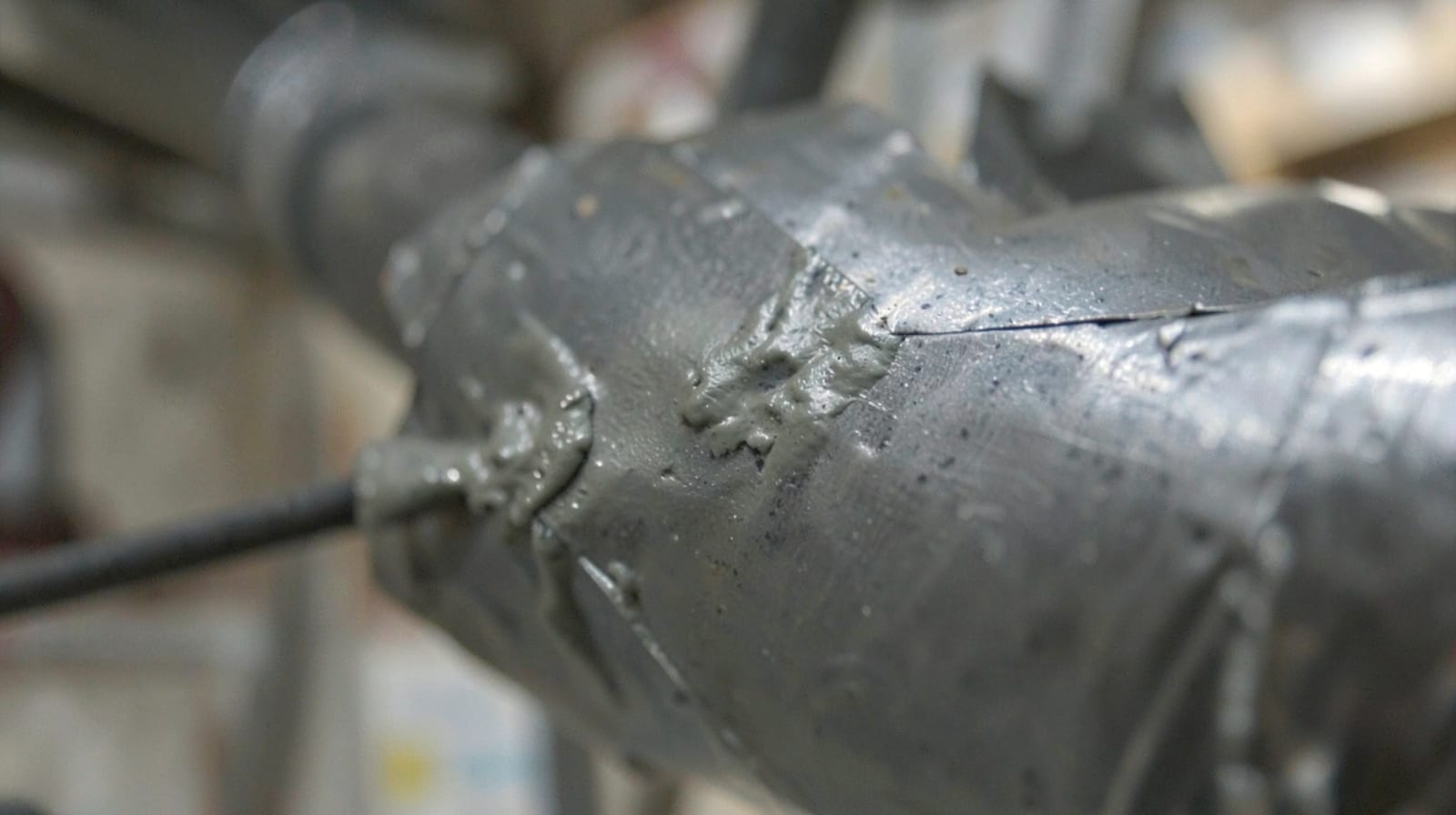
Duct Sealing in Morristown, NJ
Duct sealing in Morristown, NJ closes leaks in supply and return ductwork that waste conditioned air and strain the HVAC system.
Learn More
Furnace & Vent Cleaning in Morristown, NJ
Furnace and vent cleaning in Morristown, NJ clears the burner compartment, blower, and venting of dust and combustion byproducts.
Learn More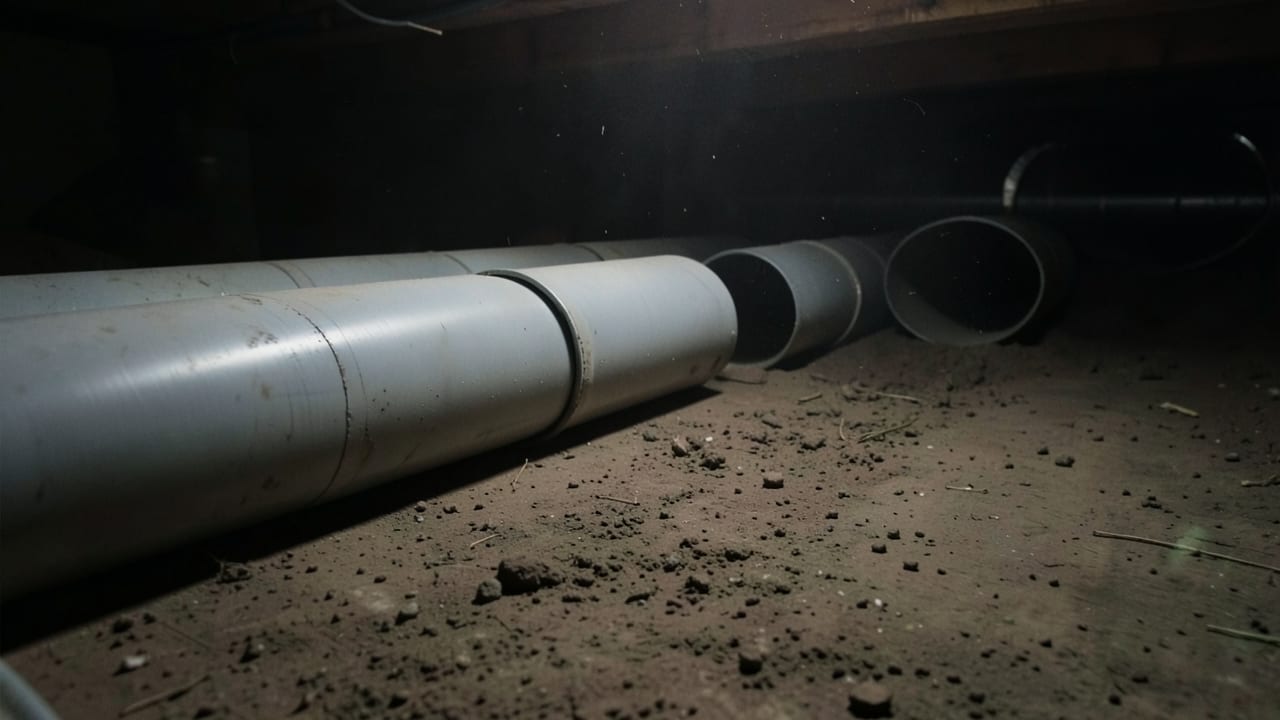
Crawl Space Duct Cleaning in Morristown, NJ
Professional cleaning of ductwork in crawl spaces to improve airflow and indoor air quality.
Learn MoreCommon Questions About Air Duct Cleaning in Morristown
Everything you need to know about air duct cleaning services in Morristown
How much does Medical Clinic Duct Cleaning typically cost in Morristown, NJ?
What local factors get checked before recommending duct cleaning in Morristown, NJ?
What's the real difference between flat-rate and per-vent air duct pricing?
How often should air ducts actually be cleaned?
What does an air duct cleaning appointment actually involve, step by step?
Does dirty ductwork actually cause allergy or respiratory symptoms?
Need Air Duct Cleaning in Morristown?
Get a written quote from our Morristown crew.
⏰ We answer your call • Serving all of Morristown and surrounding areas