Mold Spores in Your Ducts? A Morristown Homeowner’s Action Plan
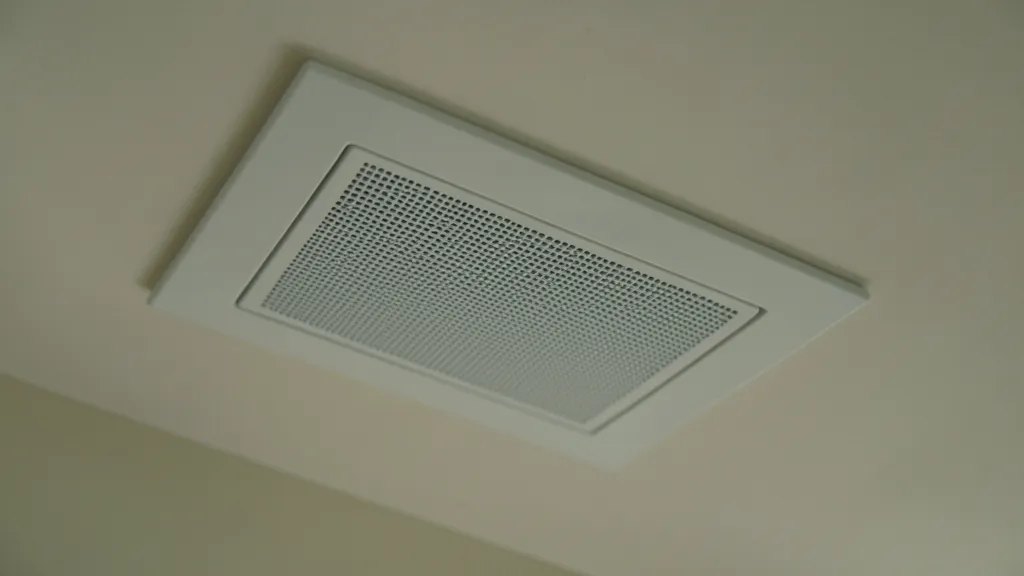
Mold in your ductwork isn’t just unsightly—it’s a silent agitator for allergies and poor indoor air quality. In our area’s humid summers and damp falls, spores thrive if moisture lingers. Here’s how to detect, address, and prevent it before it spreads.
Why Mold Loves Your Ducts (Especially Here)
Our region’s seasonal swings—from sticky summers to cold, wet winters—create ideal conditions for mold. Poorly sealed ducts pull in humid outdoor air, while condensation on coils feeds spores.
Older homes in Morris Township or Morris Plains often have fiberglass-lined ducts, which trap moisture. Newer sheet metal or flex ducts aren’t immune if insulation is damaged or vents are clogged.
Signs You’re Breathing More Than Air
Musty odors when the HVAC kicks on are the most obvious red flag. But mold can also manifest as visible black or green specks around vents or on the evaporator coil.
Unexplained allergy flare-ups—sneezing, itchy eyes, or respiratory irritation—often worsen indoors. If symptoms ease when you’re away, your ducts may be the culprit.
Mold on your HVAC’s evaporator coil spreads rapidly. If you see it there, assume it’s in the ducts. Professional coil cleaning is non-negotiable.
Mold vs. Dust: How to Tell the Difference
Dust is dry and powdery; mold is often fuzzy or slimy. Dust wipes away easily, while mold stains surfaces and returns quickly after cleaning.
A flashlight and a mirror can help inspect hard-to-reach duct sections. But for a definitive answer, indoor air quality testing isolates spore counts and types.
| Feature | Dust | Mold |
|---|---|---|
| Appearance | Gray, fine, powdery | Black, green, white; fuzzy or slick |
| Odor | None or stale | Musty, earthy |
| Texture | Dry, loose | Sticky, stains surfaces |
| Health Impact | Minimal (unless severe) | Allergies, respiratory issues |
| Removal | Vacuuming, wiping | Professional cleaning + sanitization |
The Hidden Culprits Behind Mold Growth
Poor ventilation traps moisture. Bathroom and kitchen exhaust fans that vent into attics instead of outside are common in older Morristown homes.
Clogged dryer vents in Randolph or Parsippany homes force humid air back into living spaces—and your ducts. Regular dryer vent cleaning prevents this backflow.
Leaky duct joints or damaged insulation allow condensation to form. Even small gaps in Morris Plains homes can draw in crawl space moisture.
DIY Checks vs. Professional Inspection
You can remove and inspect vent covers for visible mold. Use a camera on a flexible rod to probe deeper, but avoid disturbing spores without proper gear.
Professionals use borescopes, moisture meters, and air quality tests. We also check for hidden issues like blocked condensate drains or undersized ductwork.
Pre-Inspection Prep
- Turn off the HVAC system to prevent spore spread
- Wear an N95 mask and gloves if handling vent covers
- Note any musty smells or water stains near vents
- Check for loose or disconnected duct sections
How We Remove Mold—Without Spreading It
Our team uses negative air pressure machines to contain spores during cleaning. HEPA vacuums capture particles as small as 0.3 microns—critical for mold remediation.
For stubborn infestations, we apply EPA-approved sanitizers to duct interiors. UV-C light systems can be installed to inhibit future growth on coils and in ductwork.
Replace your air filters immediately after cleaning. Consider upgrading to a MERV 13 filter to trap lingering spores. Schedule follow-up air quality testing in 30 days.
Preventing a Comeback: Long-Term Solutions
Control humidity with a whole-house dehumidifier. Aim for 30–50% indoors—higher levels in Madison’s older homes can spell trouble.
Seal duct joints with mastic or metal tape (not duct tape). Insulate ducts in unconditioned spaces like attics or crawl spaces to prevent condensation.
Annual HVAC maintenance, including coil cleaning and drain line checks, stops mold before it starts. Add dryer vent cleaning to your seasonal checklist.
How to Inspect Your Ducts for Mold Safely
A quick, cautious inspection can reveal obvious problems before calling in professionals.
- 1Gather Tools
Use a flashlight, screwdriver, N95 mask, and gloves. A mirror or smartphone with a camera helps for tight spaces.
- 2Turn Off the HVAC
Prevent the system from blowing spores throughout your home during inspection.
- 3Remove Vent Covers
Unscrew or pop off vent grilles. Check for visible mold, dust buildup, or moisture stains inside the duct opening.
- 4Probe Deeper
Use a mirror or camera to inspect the first few feet of duct. Look for discoloration, fuzzy growth, or water damage.
- 5Check the Coils
If accessible, shine a light on the evaporator coil. Mold here often appears as black or green fuzz and should be addressed promptly.
- 6Document and Act
Take photos of any suspect areas. If you find mold, avoid running the HVAC and contact a professional for testing and remediation.
Frequently Asked Questions
Can I use bleach to clean mold in my ducts?
No. Bleach can worsen the problem by adding moisture and failing to kill spores at their root. Professionals use specialized sanitizers designed for HVAC systems. Bleach also damages duct materials like fiberglass.
How quickly can mold spread through ductwork?
In ideal conditions (high humidity, organic dust, and warmth), mold can colonize duct surfaces within 24–48 hours. Once established, spores spread through the system every time the HVAC runs.
Is mold in ducts covered by homeowners insurance in Morristown?
Coverage varies. Most policies exclude mold unless it’s a direct result of a covered peril, like a burst pipe. Review your policy and document the cause—water damage vs. poor maintenance.
Will an air purifier help if I have mold in my ducts?
Air purifiers with HEPA filters can capture airborne spores, but they won’t address the source. Think of them as a temporary bandage—professional duct cleaning and mold remediation are the cure.
Why do I smell mold when the heat turns on in winter?
As your furnace warms up, it can dislodge dormant spores and dust, releasing that musty odor. This is common in older homes in Morris Plains or Morris Township with long-neglected ducts.
Can mold in ducts affect my HVAC system’s efficiency?
Yes. Mold buildup restricts airflow, forcing your system to work harder. This increases energy costs and accelerates wear on components like the blower motor and coils.