How to Tell If Your Air Ducts Need Cleaning: A Morristown Expert’s Guide
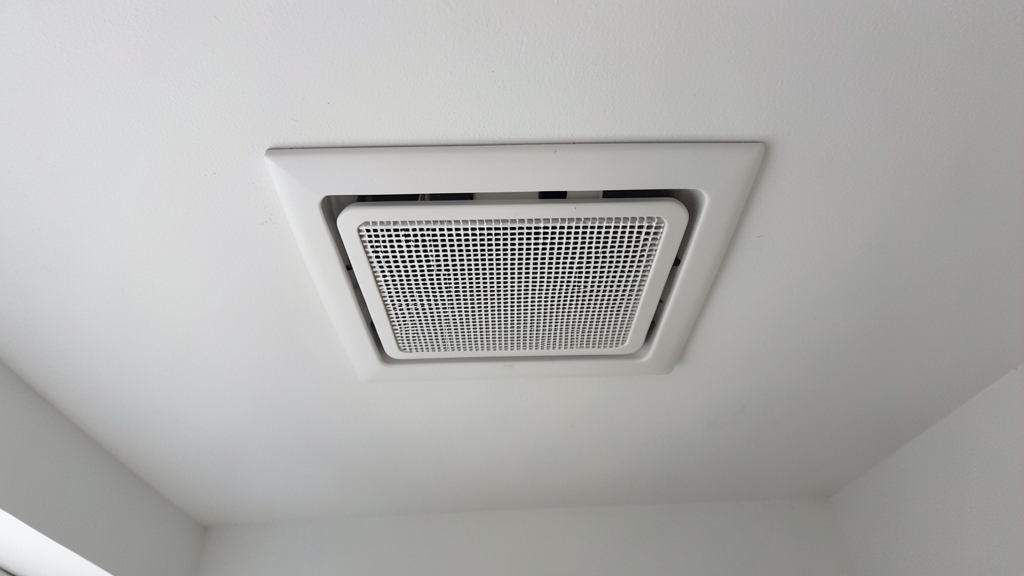
Your HVAC system works hard, especially through Morristown’s humid summers and chilly winters. But when ducts accumulate dust, mold, or debris, they circulate contaminants instead of clean air. We’ve seen firsthand how dirty air ducts impact homes in Morris Township and beyond—here’s how to spot the red flags before they affect your health or system efficiency.
Visible Dust and Debris Around Vents
Check your supply and return vents for a thin layer of dust or dark streaks. These are clear indicators that particles are escaping the ductwork and settling on surfaces.
In older homes with fiberglass-lined ducts, degradation can release fibers into the air, worsening indoor air quality. A flashlight and a quick peek inside the vent can reveal the extent of buildup.
Use a white paper towel to wipe the vent interior. If it comes away gray or black, it’s time for a professional inspection.
Unexplained Allergies or Respiratory Issues
Morristown’s seasonal allergens—pollen in spring, ragweed in fall—can get trapped in ducts and recirculated year-round. If allergies flare up indoors but improve outside, your ducts may be the culprit.
Mold spores thrive in damp ductwork, especially after humid summers. Musty odors or persistent coughing, sneezing, or headaches could signal mold or mildew that requires treatment.
Inconsistent Airflow or Hot/Cold Spots
Clogged ducts restrict airflow, forcing your HVAC to work harder. You might notice weak airflow from some vents or rooms that never seem to reach the set temperature.
In multi-story homes common in Morris Plains or Randolph, blocked ducts can cause upper floors to overheat while basements stay cold. This imbalance often points to ductwork issues.
| Symptom | Likely Cause | Solution |
|---|---|---|
| Weak airflow from vents | Duct blockage or crushed flex duct | Professional duct cleaning and inspection |
| Hot/cold spots in home | Uneven duct distribution or leaks | Duct sealing and balancing |
| Higher energy bills | Restricted airflow or dirty coils | Duct cleaning + HVAC coil cleaning |
Strange Odors Coming from Vents
A musty smell often means mold or mildew in the ductwork, especially in homes with poor ventilation or past water damage. This is common in basements or crawl spaces in Madison or Parsippany.
Burning or metallic odors could indicate a mechanical issue, like a failing blower motor or overheating components. Shut off the system and call a pro immediately.
If you smell gas or a strong chemical odor, evacuate and contact your utility provider. This is not a duct issue—it’s a serious situation.
Pest Infestations or Droppings Near Vents
Rodents or insects love dark, quiet ductwork. Droppings, nests, or even dead pests near vents are a sure sign of contamination that requires immediate cleaning and sanitization.
In rural areas near Morris Township, critters often enter through gaps in ductwork or uncapped vents. Sealing entry points after cleaning prevents future infestations.
Increased Dusting Needs Around the House
If you’re dusting more often but surfaces still look dirty quickly, your ducts may be spreading dust throughout the home. This is especially noticeable on electronics, shelves, and furniture.
High MERV-rated filters can trap more particles, but if the ducts themselves are dirty, the filter can’t compensate. Regular duct cleaning reduces the load on your HVAC filter.
Signs Your Ducts Are Spreading Dust
- Dust accumulates on surfaces within hours of cleaning
- Dust is thickest near supply vents
- Air filters clog faster than usual (every 1-2 months)
Noisy HVAC Operation
Whistling, rattling, or banging noises often indicate loose ductwork, blockages, or damaged components. In sheet metal ducts, loose joints can vibrate and create noise.
A sudden increase in noise usually means a new obstruction or structural issue. Ignoring it can lead to costly repairs or even system failure.
When to Call a Professional in Morristown
If you’ve noticed multiple signs—like poor airflow, odors, and dust—it’s time for a professional duct inspection. We use high-powered vacuums and agitation tools to dislodge and remove contaminants safely.
For homes with pets, smokers, or recent renovations, we recommend duct cleaning every 2-3 years. In Morristown’s climate, humidity and seasonal changes can accelerate buildup.
How to Inspect Your Air Ducts for Contamination
A quick DIY inspection can help you decide if it’s time to call in the pros.
- 1Turn Off the HVAC System
Safety first. Switch off the power to your HVAC at the thermostat and breaker to prevent the blower from turning on during inspection.
- 2Remove Vent Covers
Use a screwdriver to unscrew and remove the vent covers from a few supply and return vents. Set them aside for cleaning later.
- 3Use a Flashlight and Mirror
Shine a flashlight into the duct and use a small mirror to check for dust, mold, or debris. Look as far as you can see into the ductwork.
- 4Check for Visible Contaminants
Look for thick dust layers, black streaks (mold), or pest droppings. If you see any of these, it’s time for a professional cleaning.
- 5Reassemble and Monitor
Replace the vent covers and turn the system back on. If you notice any of the signs mentioned earlier, contact a local duct cleaning expert.
Frequently Asked Questions
How often should air ducts be cleaned in Morristown?
Most homes benefit from duct cleaning every 2-3 years. However, if you have pets, allergies, or recent renovations, we recommend a more frequent schedule. Humid summers in NJ can also promote mold growth, so annual inspections are wise.
Can dirty air ducts make you sick?
Yes. Contaminated ducts can circulate mold spores, dust mites, pet dander, and even bacteria, triggering allergies, asthma, or respiratory infections. If symptoms improve when you’re away from home, your ducts may be the issue.
What’s the difference between duct cleaning and HVAC coil cleaning?
Duct cleaning focuses on removing debris from the ductwork itself. HVAC coil cleaning targets the evaporator and condenser coils, which can also harbor mold and reduce system efficiency. Both are often needed for optimal indoor air quality.
Do new homes in Morris Township need duct cleaning?
Surprisingly, yes. Construction debris like drywall dust, sawdust, and insulation fibers can get trapped in new ductwork. We’ve cleaned brand-new systems in Morris Plains and Randolph that were already clogged with buildup.
Can I clean my air ducts myself?
While you can clean vent covers and visible sections, professional equipment is required to thoroughly clean the entire duct system. DIY methods often miss hidden contaminants and can even damage ductwork.
How do I know if my ducts have mold?
Visible mold growth, musty odors, or persistent allergy symptoms are red flags. For confirmation, we offer indoor air quality testing and can inspect your ducts with specialized tools. Mold in ducts often requires treatment beyond standard cleaning.