How Often Should You Replace HVAC Filters in Morristown?
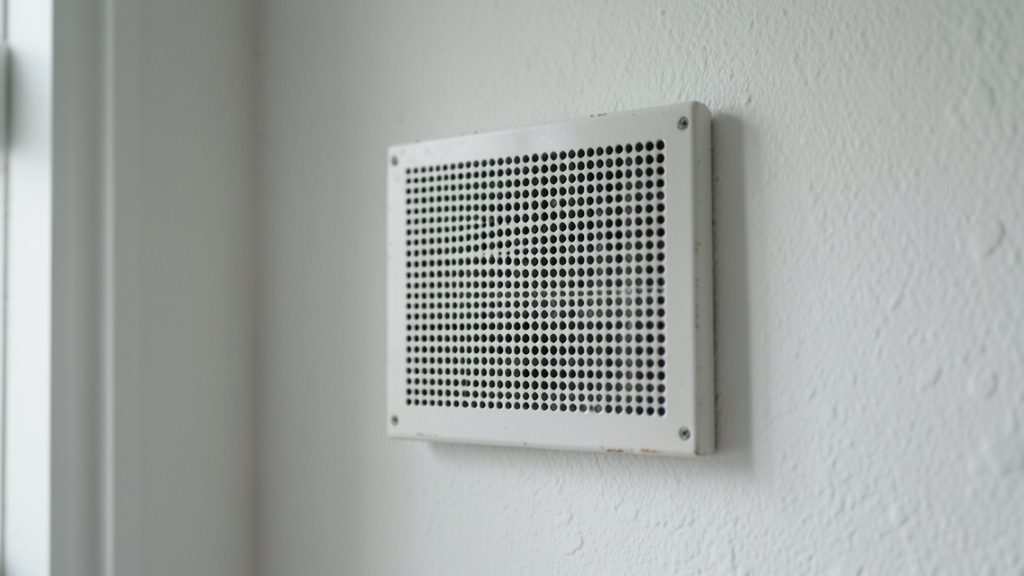
Morristown’s seasonal swings—from humid summers to cold winters—put extra demand on HVAC systems. Replacing your filter on time isn’t just maintenance; it’s how we protect air quality and efficiency. But the right schedule depends on your home, pets, and even the filter type you choose.
Why Filter Replacement Matters for Morristown Homes
Your HVAC filter traps dust, pollen, and debris that circulate through ductwork. In Morris County, high pollen counts in spring and fall mean filters clog faster, straining your system.
A dirty filter restricts airflow, forcing your HVAC to work harder. This spikes energy use and can shorten equipment life—especially during our brutal winters or sweltering summer days.
Filter Types and Their Lifespans
Not all filters last the same. Fiberglass filters are cheap but need monthly swaps. Pleated filters, with deeper folds, typically last 2–3 months under normal use.
High-efficiency HEPA or electrostatic filters can go 6–12 months, but they’re often used in whole-home air purifiers or commercial setups in Morris Township or Madison.
| Filter Type | MERV Rating Range | Typical Lifespan | Best For |
|---|---|---|---|
| Fiberglass | 1–4 | 30 days | Basic dust control; budget-conscious homes |
| Pleated | 5–8 | 60–90 days | Balanced filtration; most Morristown residences |
| Pleated (High MERV) | 9–12 | 3–6 months | Allergy sufferers; pet owners in Morris Plains |
| HEPA | 13–16 | 6–12 months | Hospitals, commercial spaces; requires compatible HVAC |
| Electrostatic | N/A (varies) | 6–12 months | Reusable; needs regular cleaning |
Factors That Shorten Filter Life in Northern NJ
Pets shed dander and fur year-round, clogging filters faster. If you’ve got a golden retriever in Morris Plains, plan on checking your filter every 4–6 weeks.
Construction or renovations kick up dust. If you’re remodeling in Randolph or Parsippany, replace the filter immediately after work wraps to avoid circulating particles.
Allergies or respiratory issues? Upgrade to a higher MERV filter and replace it more often. Our humid summers also promote mold growth—another reason to stay vigilant.
Filters with MERV ratings above 13 can restrict airflow in residential systems. Always confirm compatibility with your HVAC technician before upgrading.
Seasonal Considerations for Morristown Homeowners
Spring and fall bring pollen bombs. We recommend replacing filters at the start of each season—even if they look clean—to handle the influx.
Winter means sealed windows and more indoor time. Stale air and heating system use demand fresh filters every 1–2 months, especially in older homes with less efficient ductwork.
Summer humidity in Morris County can encourage mold in ducts. Pair filter changes with a quick visual check for moisture or musty odors near vents.
Signs Your Filter Needs Replacing Now
Reduced airflow from vents is the most obvious sign. If rooms feel stuffy or take longer to heat/cool, your filter may be the culprit.
Visible dirt or gray discoloration on the filter surface means it’s past its prime. Hold it up to a light—if you can’t see through, it’s time.
Increased dust on furniture or allergy flare-ups often signal a clogged filter. Don’t wait for symptoms to worsen; swap it out.
Quick Filter Inspection Checklist
- Check for visible dirt or debris buildup
- Test airflow by holding a tissue near return vents
- Look for dust accumulation around supply vents
- Note any unusual odors when HVAC kicks on
- Monitor for increased allergy or asthma symptoms
How Filter Replacement Ties to Air Duct Cleaning
A clean filter protects your ducts from excessive debris. But over time, dust and contaminants still accumulate in ductwork, especially in older Morristown homes.
If you’re replacing filters more often than usual, it might signal dirty ducts. We often see this in homes near busy roads in Morris Township or areas with high construction activity.
Pair regular filter changes with professional air duct cleaning every 3–5 years. This combo keeps your system running efficiently and improves indoor air quality long-term.
Place a cheap fiberglass filter *behind* your main pleated filter to catch pet hair. Replace the pre-filter monthly; the pleated one can last its full lifespan.
DIY vs. Professional Filter Replacement
Replacing a standard 1-inch filter is a 5-minute DIY job. Locate the filter slot (usually near the air handler or return vent), slide out the old, and insert the new—arrow pointing toward the blower.
For thicker media filters or whole-house systems, especially in commercial spaces or large homes in Madison, professional installation ensures proper fit and sealing.
If you’re unsure about filter size or type, we can assess your system during a routine HVAC maintenance visit. Wrong sizing or MERV can damage equipment.
How to Replace Your HVAC Filter
Swapping your filter is simple but must be done correctly to avoid damaging your system.
- 1Turn Off the HVAC System
Switch your thermostat to the "off" position to prevent the fan from running while you work.
- 2Locate the Filter
Find the filter slot, typically in the return air duct or blower compartment. In Morristown homes, this is often in the basement or utility closet.
- 3Remove the Old Filter
Slide out the existing filter. Note the arrow indicating airflow direction—this must match when inserting the new one.
- 4Inspect and Clean the Slot
Wipe down the filter slot or housing to remove dust or debris that could bypass the new filter.
- 5Insert the New Filter
Place the new filter with the airflow arrow pointing toward the blower motor. Ensure it fits snugly with no gaps.
- 6Restore Power and Test
Turn the system back on and verify airflow from vents. Check for any unusual noises or reduced output.
Frequently Asked Questions
Can I reuse or clean my HVAC filter?
Only electrostatic or washable filters are designed for cleaning. Most disposable filters (fiberglass, pleated) degrade when washed and must be replaced. If you’re unsure, check the manufacturer’s label or ask our team.
Does a higher MERV filter always mean better air quality?
Higher MERV filters capture smaller particles, but they can restrict airflow if your HVAC system isn’t designed for them. In Morristown’s older homes, a MERV 8–11 filter often strikes a good balance between filtration and efficiency.
How do I know the right filter size for my system?
Filter sizes are typically printed on the existing filter’s frame. Common residential sizes include 16x20, 20x25, or 14x24 inches. If you can’t find it, measure the slot’s length, width, and depth. We can also help during a service call.
Should I upgrade my filter if someone in my home has allergies?
Yes, but choose wisely. A MERV 11–13 filter can capture pollen, dust mites, and pet dander without overly restricting airflow in most residential systems. For severe allergies, consider adding a UV light or sanitization treatment to your ductwork.
What happens if I forget to replace my filter?
A clogged filter forces your HVAC to work harder, increasing energy bills and risking system damage. It also reduces indoor air quality, circulating dust, mold spores, and allergens throughout your home. In extreme cases, it can lead to costly repairs or even system failure.
Is there a difference in filter needs for commercial buildings in Morristown?
Absolutely. Commercial HVAC systems often use larger, higher-capacity filters and may require more frequent changes due to higher occupancy and air volume. Businesses in Morris Township or Parsippany should follow a tailored maintenance schedule, often including commercial duct cleaning.