How Often Should Rooftop Unit Ducts Be Cleaned in Morristown? Industry Standards Explained
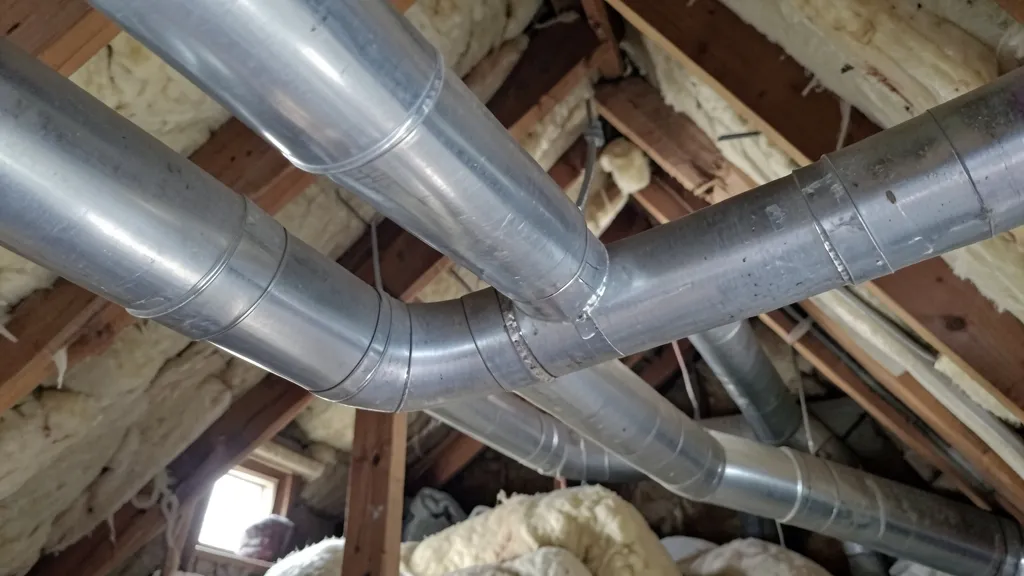
Rooftop units (RTUs) are the workhorses of commercial HVAC in our area, but their ducts often get overlooked until problems arise. We clean these systems daily across Morris Township and Madison, and the right cleaning schedule balances efficiency, air quality, and equipment longevity—without over-servicing.
Why Rooftop Unit Ducts Need Regular Cleaning
RTUs pull in outside air, which in Morris County means pollen, dust, and occasional industrial particulates from Parsippany’s corridors. Over time, this debris accumulates in supply and return ducts, reducing airflow and forcing the system to work harder.
Moisture from our humid summers can also promote mold growth in duct liners or coils. Left unchecked, this degrades indoor air quality and can trigger health complaints from building occupants.
NADCA and ASHRAE Guidelines for Commercial Duct Cleaning
The National Air Duct Cleaners Association (NADCA) recommends inspecting commercial ductwork every 1–2 years, with cleaning as needed based on conditions. ASHRAE’s Standard 62.1 emphasizes maintaining clean systems to meet ventilation requirements.
These aren’t rigid rules but frameworks. High-traffic buildings in Randolph or Morris Plains may need more frequent attention than a low-occupancy warehouse.
| Facility Type | Inspection Frequency | Typical Cleaning Frequency |
|---|---|---|
| Healthcare, Labs | Every 6–12 months | Every 1–2 years |
| Restaurants, Kitchens | Every 6–12 months | Every 1–2 years |
| Offices, Retail | Every 1–2 years | Every 3–5 years |
| Warehouses, Light Industrial | Every 2–3 years | Every 5–7 years |
Local Factors That Shorten Cleaning Intervals in Our Area
Morristown’s four distinct seasons bring unique challenges. Spring pollen and fall leaf debris can clog intake vents, while winter’s temperature swings increase condensation risk inside ducts.
Proximity to major roads or construction zones in Parsippany or Madison accelerates particulate buildup. Older buildings with unsealed ductwork also collect dust faster.
If your RTU serves a building near Route 287 or downtown Morristown, plan inspections more often. Urban dust and exhaust residues demand it.
Signs Your Rooftop Unit Ducts Need Cleaning Now
Visible dust or debris around supply diffusers is the most obvious red flag. But reduced airflow, uneven heating or cooling, and musty odors are stronger indicators of internal contamination.
Increased energy bills or frequent filter clogging also suggest restricted airflow. For commercial spaces, tenant complaints about allergies or respiratory issues should prompt an inspection.
- Inspect diffusers and grilles for dust buildup
- Check energy bills for unexplained spikes
- Note any musty or stale odors in the space
- Review maintenance logs for repeated filter replacements
The Role of Filters in Extending Duct Cleaning Intervals
High-efficiency filters (MERV 13 or higher) capture smaller particles, reducing duct contamination. However, they also restrict airflow more, so RTUs must be sized and maintained accordingly.
In our climate, we often recommend upgrading filters during peak pollen seasons. But remember: even the best filter won’t stop all debris, especially in older or poorly sealed systems.
What Happens During a Professional RTU Duct Cleaning
We start with a thorough inspection, using cameras to assess duct interiors and coils. Then, we employ negative air pressure (vacuum) systems and agitation tools to dislodge and remove contaminants without spreading them.
For RTUs, we also clean the blower, coils, and drain pans—areas often missed by less experienced crews. Sanitization or UV treatment may follow if mold or bacteria are present.
Rooftop units require specialized equipment and safety protocols, as improper cleaning can damage components or void warranties.
How Clean Ducts Improve RTU Performance and Longevity
Clean ducts restore airflow, reducing strain on the RTU’s blower and compressor. This can lower energy consumption by 10–25% in heavily contaminated systems, per NADCA data.
Removing debris also prevents premature wear on fans and bearings. In our experience, well-maintained RTUs in Morris Township often last 5–10 years longer than neglected units.
Pairing Duct Cleaning with Other Critical Services
RTU efficiency depends on more than clean ducts. We often bundle duct cleaning with HVAC coil cleaning, dryer vent cleaning for on-site laundry, and indoor air quality testing to address hidden issues.
For properties in Morris Plains or Randolph with older systems, mold and mildew treatment may be necessary. UV light sanitization can also provide ongoing protection between cleanings.
How to Determine If Your RTU Ducts Need Cleaning
Follow these steps to assess your system’s condition between professional inspections.
- 1Conduct a Visual Inspection
Remove a few vent covers and use a flashlight to check for dust or debris. Look for dark streaks or mold spots, which indicate contamination.
- 2Check Airflow at Vents
Hold a tissue near supply vents. Weak airflow or uneven distribution suggests blockages in the ductwork.
- 3Review Energy and Maintenance Logs
Compare recent energy bills to past years. Note any increases in filter replacements or repairs, which may signal duct issues.
- 4Monitor Occupant Feedback
Track complaints about odors, allergies, or temperature inconsistencies. Patterned feedback often points to duct problems.
- 5Schedule a Professional Assessment
If any red flags appear, contact a technician for a thorough inspection and cleaning quote.
Frequently Asked Questions
How does Morristown’s climate affect rooftop unit duct cleaning frequency?
Our humid summers and cold winters create condensation risks, while seasonal pollen and road dust accelerate debris buildup. This often shortens the typical 3–5 year cleaning interval to 2–3 years for many local commercial properties.
Can I clean rooftop unit ducts myself?
No. RTUs require specialized tools, safety gear, and access to rooftop systems. Improper cleaning can damage equipment or spread contaminants. Always hire qualified experts.
What’s the difference between RTU duct cleaning and HVAC coil cleaning?
Duct cleaning focuses on the air distribution pathways, while coil cleaning targets the heat exchange components. Both are critical for efficiency, but coils often need more frequent attention due to moisture and debris accumulation.
Do new buildings in Morris Township need duct cleaning less often?
Not necessarily. Newer buildings with high-efficiency systems may still require frequent cleaning if they’re in high-dust areas like near construction sites in Parsippany or have high occupancy.
How long does a commercial rooftop unit duct cleaning take?
For most mid-sized RTUs, cleaning takes 24–48 hours, depending on system size and contamination levels. Larger systems or those with extensive mold may require additional time for treatment and drying.
Will cleaning my RTU ducts reduce allergens in the building?
Yes. Removing dust, pollen, and mold spores from ducts significantly improves indoor air quality. For maximum benefit, pair duct cleaning with air filter replacement and regular HVAC maintenance.