From Dust to Disease: The Health Risks of Dirty Air Ducts in Morristown
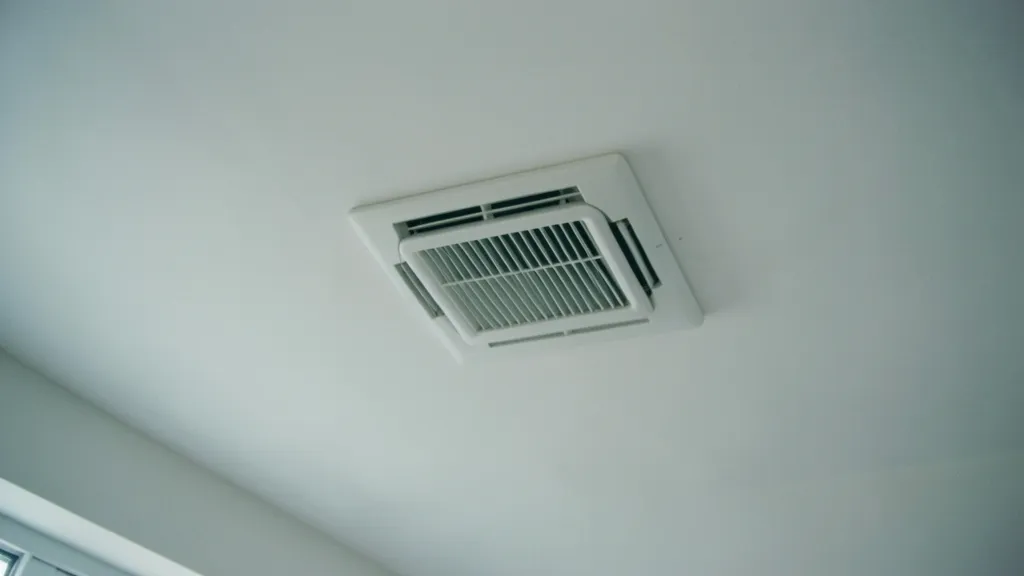
Morristown homes trap more than just memories in their ductwork. Over time, dust, pet dander, and even mold can build up unseen—circulating through every room with every cycle of your HVAC. These contaminants don’t just reduce efficiency; they can trigger allergies, aggravate asthma, and even contribute to long-term respiratory issues.
How Dirty Ducts Compromise Indoor Air Quality
Your HVAC system doesn’t just move air—it moves whatever’s in that air. In Morristown’s humid summers and cold winters, ducts become a breeding ground for dust mites, pollen, and microbial growth. Every time the system kicks on, these particles are redistributed throughout your living spaces.
Poor indoor air quality (IAQ) isn’t just uncomfortable; it’s a documented health risk. The EPA ranks IAQ among the top five environmental dangers, with ducts acting as a major reservoir for contaminants. Even new homes in Morris Township or Randolph aren’t immune—construction dust and off-gassing from materials linger long after move-in.
Respiratory Problems Linked to Contaminated Ductwork
For those with asthma or allergies, dirty ducts can turn a home into a trigger zone. Fine particulates like pet dander, mold spores, and bacteria settle in duct linings, then get blown directly into bedrooms and living rooms. Symptoms often worsen at night or when the HVAC runs most frequently.
Long-term exposure can lead to chronic sinusitis, bronchitis, or even hypersensitivity pneumonitis—a lung inflammation caused by inhaled organic dust. Children and the elderly in Madison or Parsippany homes are especially vulnerable, as their immune systems are less equipped to filter out these irritants.
Unexplained coughing, frequent headaches, or musty odors when the HVAC runs? These are red flags for contaminated ducts. In severe cases, black mold or rodent droppings may be present—requiring immediate professional attention.
Mold, Mildew, and the Morristown Climate
Morristown’s seasonal humidity creates ideal conditions for mold and mildew growth in ducts. Condensation from cooling coils or poor insulation can introduce moisture, while organic debris (like leaves or insect carcasses) provides a food source. Once established, mold releases spores that spread through the entire system.
Mold in ducts often goes undetected until it’s severe. Unlike visible wall mold, duct mold hides behind vents and in flex ducts. Professional inspection with borescopes or air quality testing is the only reliable way to confirm its presence in Morris Plains or Morris Township homes.
Dust Mites and Allergens: The Invisible Invaders
Dust mites thrive in the dark, warm environments of air ducts, feeding on dead skin cells and other organic matter. Their waste products are a common allergen, triggering sneezing, itchy eyes, and congestion. Even with regular dusting, these microscopic pests persist if the ducts aren’t cleaned.
Pet owners face an added challenge. Hair and dander cling to duct walls, especially in flex ducts with ridged interiors. Without removal, these allergens recirculate indefinitely, affecting both humans and pets. We often see this in Randolph and Parsippany homes with multiple furry family members.
| Contaminant | Source | Health Impact |
|---|---|---|
| Dust mites | Skin cells, fabric fibers | Allergies, asthma, eczema |
| Mold spores | Moisture, organic debris | Respiratory infections, sinusitis, immune suppression |
| Pet dander | Animal hair and skin | Allergic reactions, asthma attacks |
| Bacteria & viruses | Stagnant air, moisture | Infections, flu-like symptoms |
| Volatile Organic Compounds (VOCs) | Cleaning products, off-gassing | Headaches, nausea, long-term organ damage |
| Pollen | Outdoor air intake | Seasonal allergies, hay fever |
Volatile Organic Compounds (VOCs) and Chemical Irritants
VOCs from household cleaners, air fresheners, or new furniture can get trapped in ductwork. Over time, these chemicals off-gas and recirculate, leading to headaches, dizziness, or eye irritation. In poorly ventilated homes, VOC levels can be 2–5 times higher indoors than outside.
Older homes in Morris Township may also have asbestos in duct insulation or lead-based paint dust in the system. Disturbing these materials without proper precautions can release toxic particles. Always hire trained professionals for duct cleaning in pre-1980s properties.
If you notice a chemical odor when the HVAC runs, or experience unexplained symptoms like nausea or fatigue, consider indoor air quality testing. We often pair this with duct cleaning for a comprehensive solution.
How Duct Cleaning Mitigates Health Risks
Professional air duct cleaning removes the buildup of contaminants using high-powered vacuums and agitation tools. For fiberglass ducts, soft-bristle brushes prevent damage, while sheet metal ducts can handle more rigorous cleaning. The process also includes sanitizing with EPA-approved products to kill mold and bacteria.
In Morristown, we recommend cleaning every 3–5 years for average households, or more frequently for homes with pets, smokers, or allergy sufferers. Post-cleaning, we often install UV light systems or high-efficiency air filters to maintain air quality between services.
The Role of Related Services in Indoor Air Quality
Dirty ducts are often part of a larger IAQ problem. Dryer vent cleaning prevents lint buildup that can harbor mold and reduce airflow. HVAC coil cleaning removes slime and debris from evaporator coils, where moisture and dust combine to create a biological soup.
For severe contamination, mold and mildew duct treatment with antimicrobial sprays may be necessary. In commercial spaces in Parsippany or Madison, we also offer large-scale duct cleaning and air quality testing to protect employees and customers.
Complementary Services for Healthier Air
- Dryer vent cleaning to prevent fire hazards and mold
- HVAC coil cleaning to improve efficiency and air flow
- Mold and mildew treatment for contaminated ducts
- Indoor air quality testing to identify hidden pollutants
- UV light installation to kill airborne pathogens
- Air filter replacement to maintain clean airflow
DIY vs. Professional Duct Cleaning: Why Expertise Matters
While DIY duct cleaning kits exist, they often fall short. Consumer-grade vacuums lack the suction power to dislodge deep-seated debris, and improper tools can damage ducts or push contaminants further into the system. Without access to the main trunk lines, most DIY efforts only clean a fraction of the network.
Professionals use specialized equipment like rotating brushes, air whips, and negative air machines to ensure a thorough clean. We also follow standards, which include pre- and post-inspection, contamination containment, and proper disposal of debris.
How to Reduce Duct Contaminants Between Cleanings
While professional cleaning is essential, these steps help maintain cleaner ducts and better air quality in between.
- 1Upgrade Your Air Filters
Switch to high-MERV (11–13) pleated filters and replace them every 1–3 months. In Morristown’s high-pollen seasons, check monthly.
- 2Seal Duct Leaks
Leaky ducts pull in unfiltered air from attics or crawl spaces. Use mastic sealant or metal tape to close gaps—especially in older homes in Morris Plains.
- 3Control Humidity
Use dehumidifiers in summer and ensure proper ventilation in bathrooms and kitchens. Aim for 30–50% humidity to discourage mold growth.
- 4Vacuum Regularly
Use a HEPA vacuum to reduce dust and dander in your home. Focus on areas near supply and return vents to minimize what enters the ducts.
- 5Inspect Vents and Registers
Remove and clean vent covers monthly. If you see mold or excessive dust, it’s a sign your ducts need professional attention.
- 6Schedule HVAC Maintenance
Annual HVAC tune-ups include coil cleaning and drain pan checks, which prevent moisture buildup that leads to mold in ducts.
Frequently Asked Questions
How do I know if my Morristown home’s ducts need cleaning?
Visible dust blowing from vents, musty odors when the HVAC runs, or unexplained allergy flare-ups are clear signs. If you’ve renovated recently or moved into an older home in Morris Township, a professional inspection is wise.
Can dirty ducts make my allergies worse?
Absolutely. Ducts act as a reservoir for allergens like pollen, dust mites, and pet dander. Each time your system cycles, these particles are redistributed, triggering symptoms. Cleaning the ducts removes this hidden source of irritation.
Is duct cleaning safe for my HVAC system?
When done by professionals using the right tools, yes. We use soft brushes for fiberglass ducts and avoid harsh chemicals that could damage components. Improper cleaning, however, can dislodge debris into the system or cause leaks.
How long does air duct cleaning take in a typical Morristown home?
Most residential cleanings take 2–4 hours, depending on the home’s size and duct complexity. Larger homes in Randolph or commercial spaces may require a full day. We always provide a time estimate during the quote.
Will duct cleaning lower my energy bills?
Indirectly, yes. Clean ducts improve airflow, reducing the strain on your HVAC system. The EPA estimates that removing even a small layer of dust from coils can improve efficiency by up to 20%. The primary benefit, however, is health and air quality.
Do new homes in Morristown need duct cleaning?
Surprisingly, yes. Construction dust, drywall particles, and insulation fibers often settle in ducts during building. We recommend a cleaning before move-in, especially in new developments in Madison or Morris Plains.